
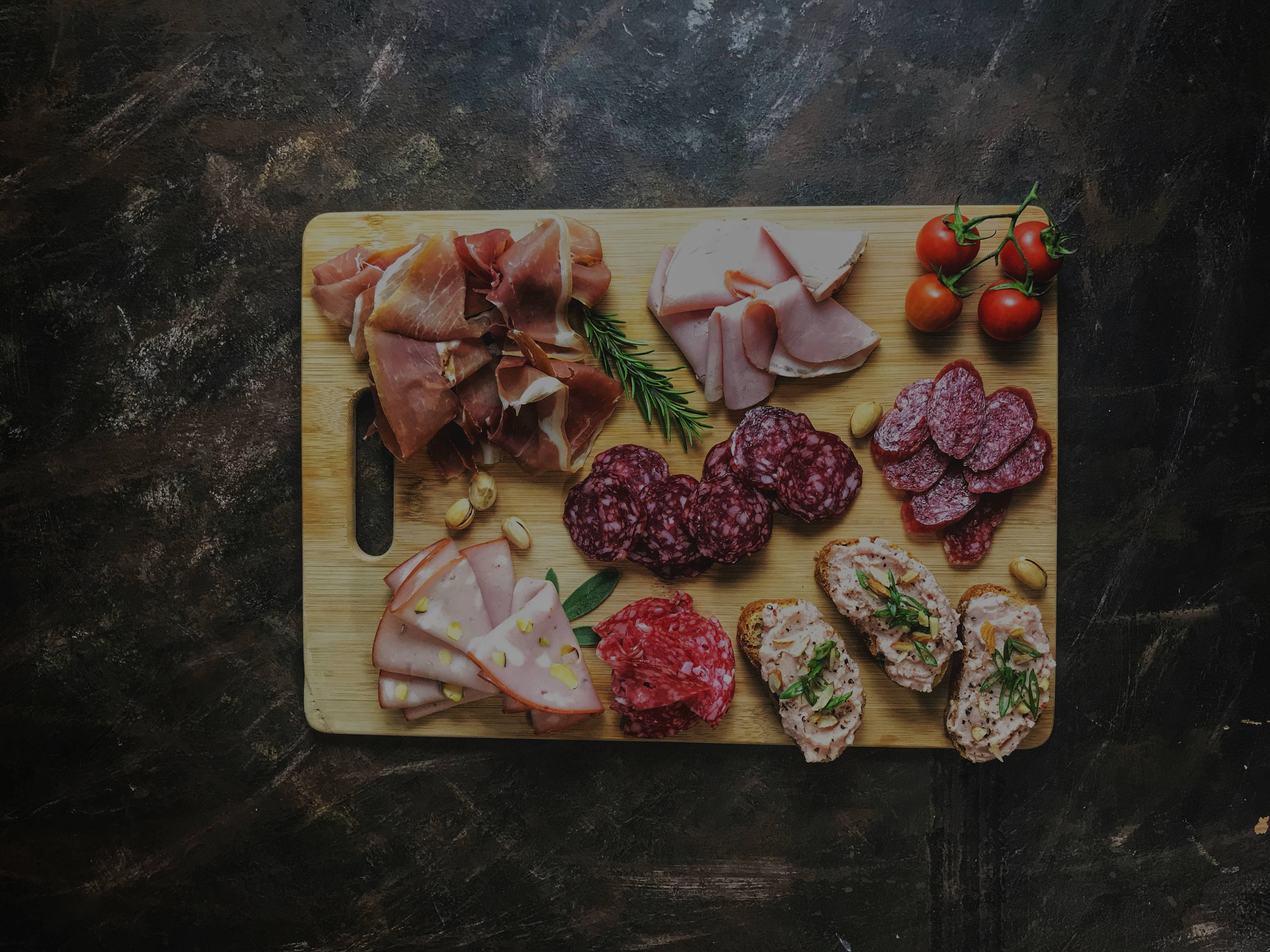
7 Best High-Protein Meats
In the realm of nutrition, protein is a cornerstone of a healthy diet, especially for Canadians balancing active lifestyles, busy schedules, and convenient meal planning. Choosing the right protein sources can support muscle maintenance, satiety, and overall wellness.
At Factor Canada , we know that choosing the right protein sources can make all the difference. In this guide, we’ll introduce you to 7 protein-packed meats, each offering unique benefits to help you reach your health and fitness goals.
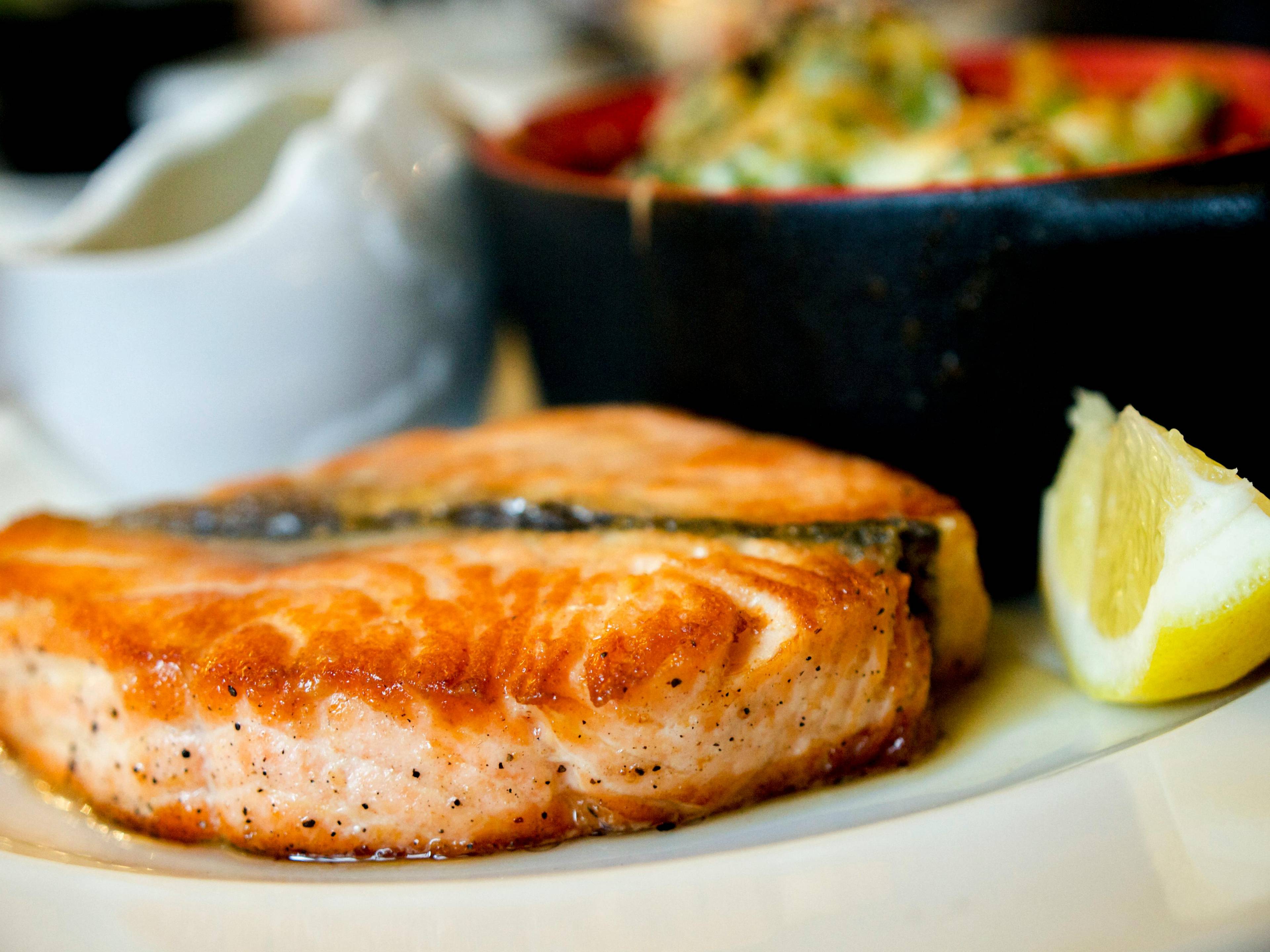
Why is Protein Important?
Protein is more than just a buzzword in Canadian health circles. It’s a fundamental component of a balanced diet, especially for those focusing on fitness and wellness.
Here's why protein is incredibly important to your fitness life:
</ul>
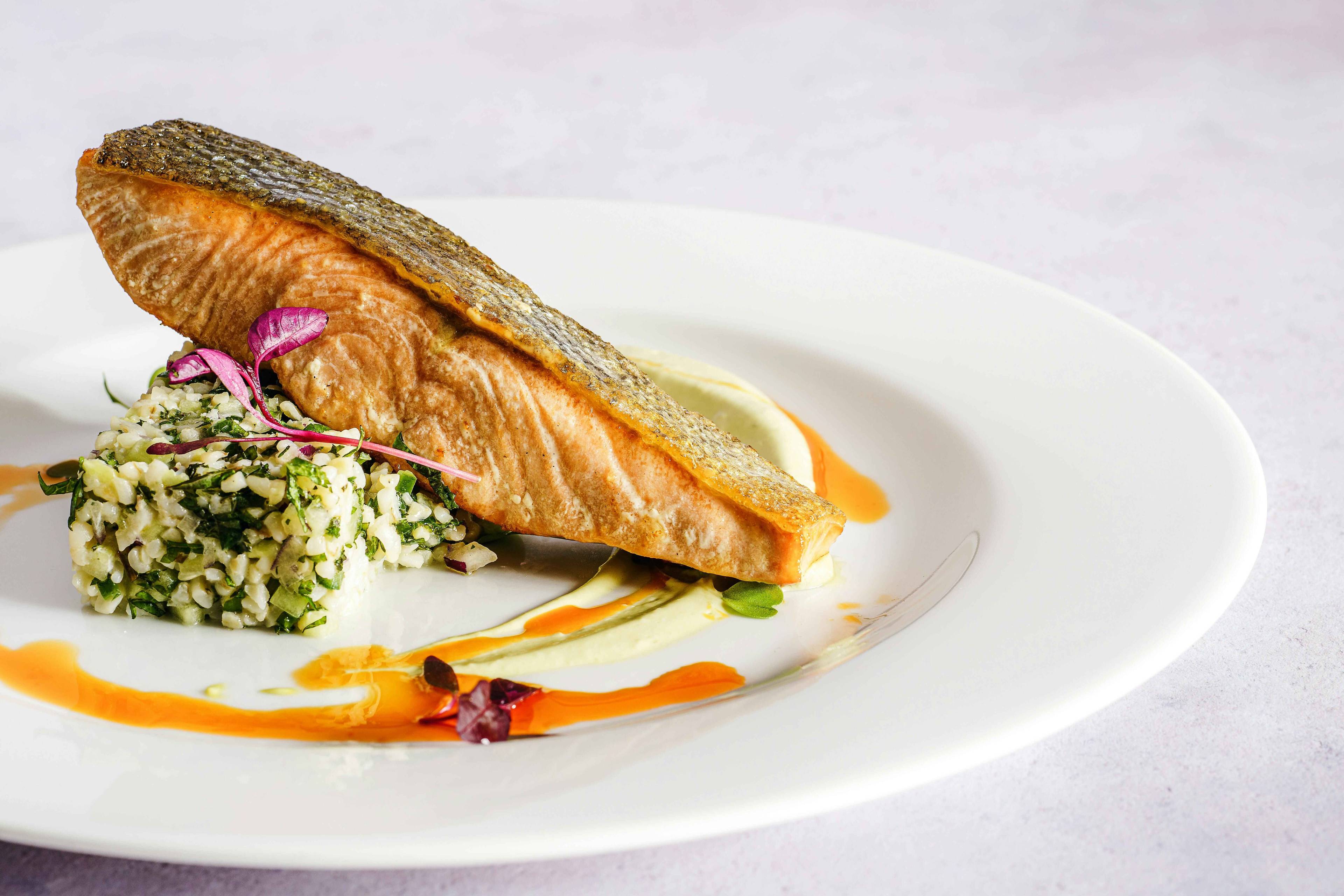
What Are the Different Types of Protein?
Proteins come in various forms, each serving unique nutritional needs:
Complete Proteins
These contain all nine essential amino acids that the body can't produce on its own. Typically found in animal products, they're crucial for bodybuilders and fitness enthusiasts for building and maintaining lean muscle mass. Examples include meats, dairy products, and eggs.
Plant-Based Proteins
These are derived from plants and can be complete or incomplete in terms of amino acid profiles. Foods like quinoa and soy are complete proteins, while others like beans and nuts might lack one or more essential amino acids. A balanced diet combining different plant-based proteins can ensure you get all essential amino acids.
The Balanced Diet Approach
Whether you're a hardcore bodybuilder or just trying to stay fit, it's essential to incorporate a variety of protein sources. This approach ensures a balanced intake of all necessary nutrients and caters to various dietary preferences, from omnivores to vegans.
Incorporating a mix of both animal and plant-based proteins can lead to a more balanced, nutritious, and sustainable diet, catering to a range of fitness goals and dietary needs.
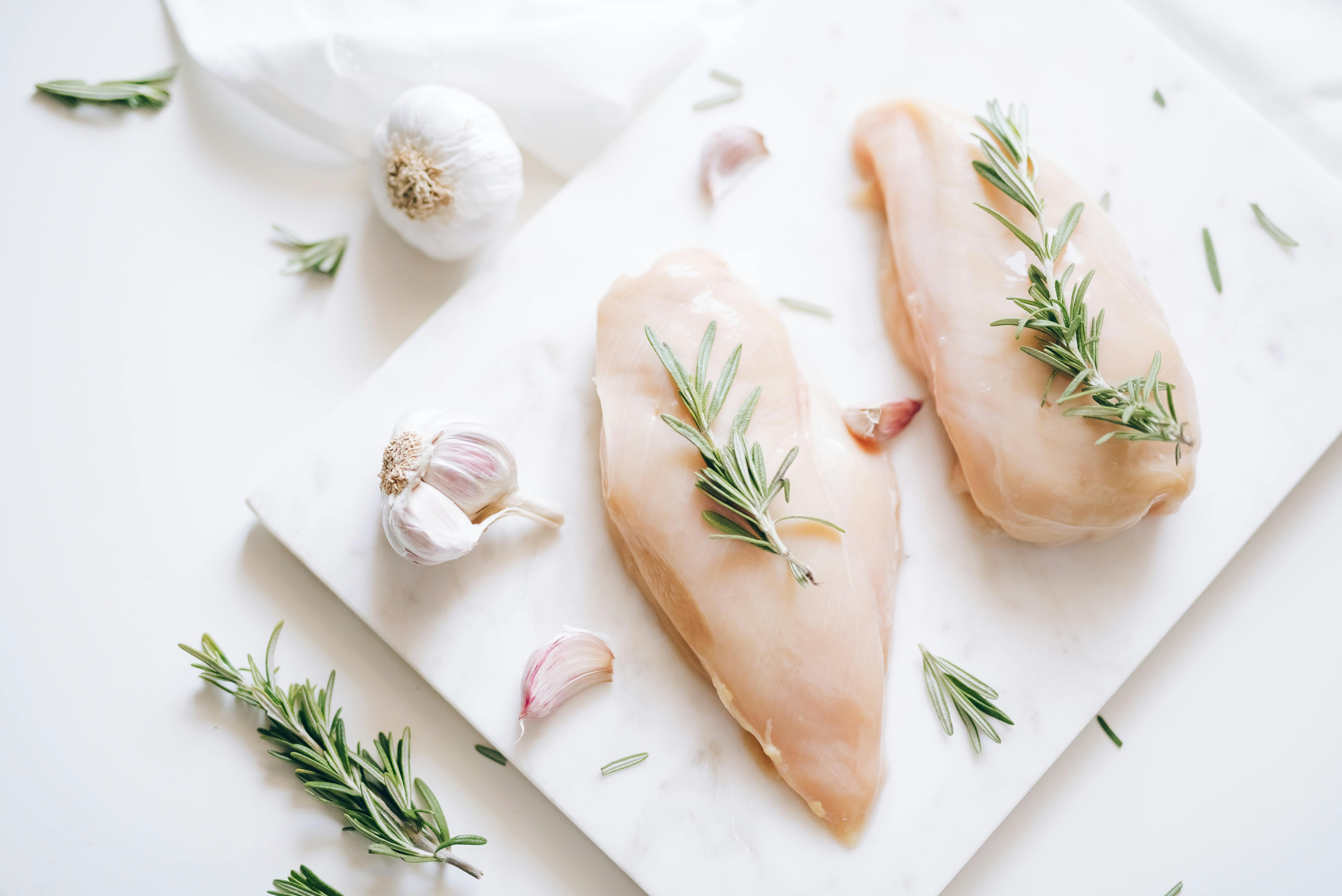
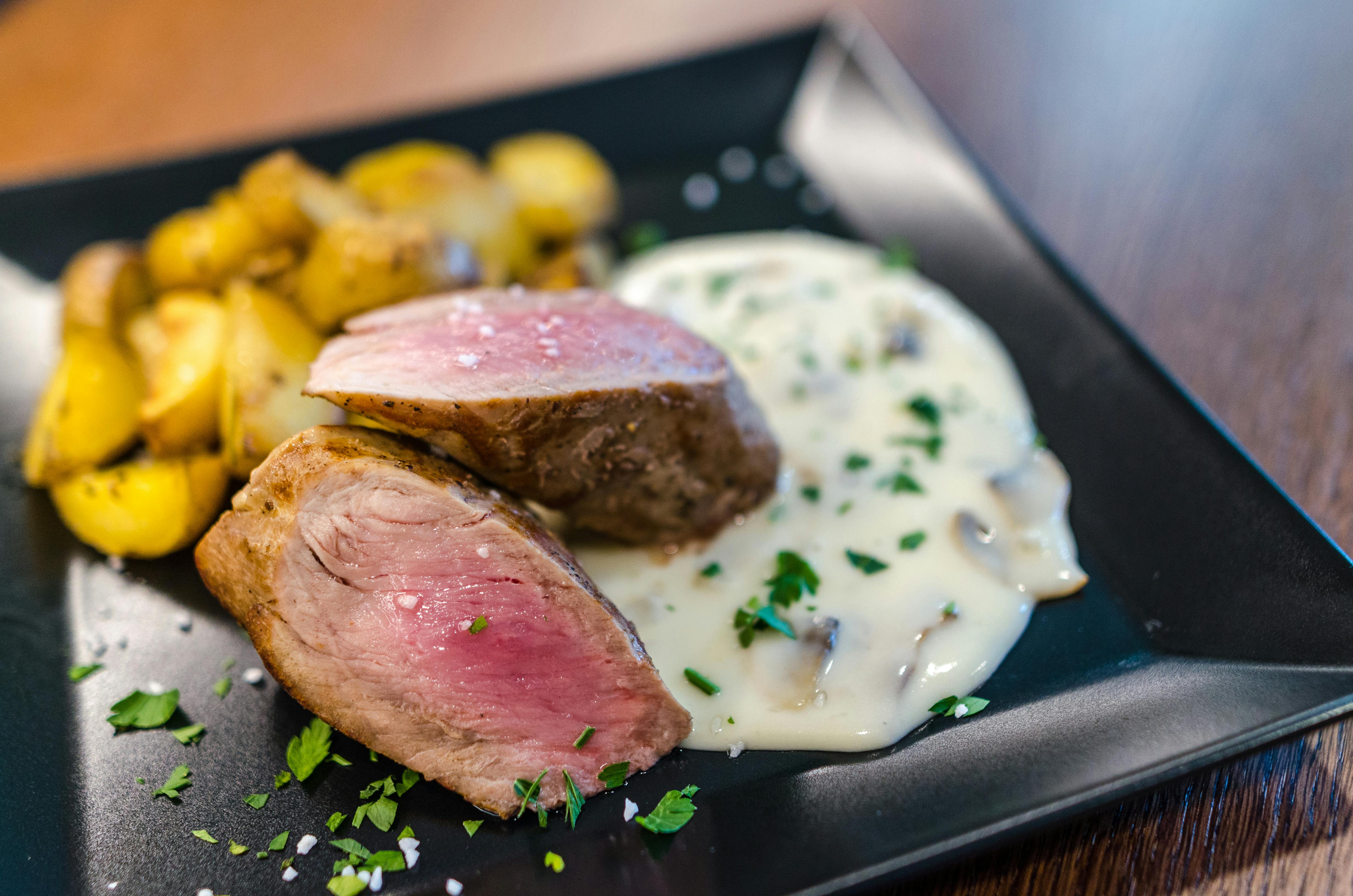
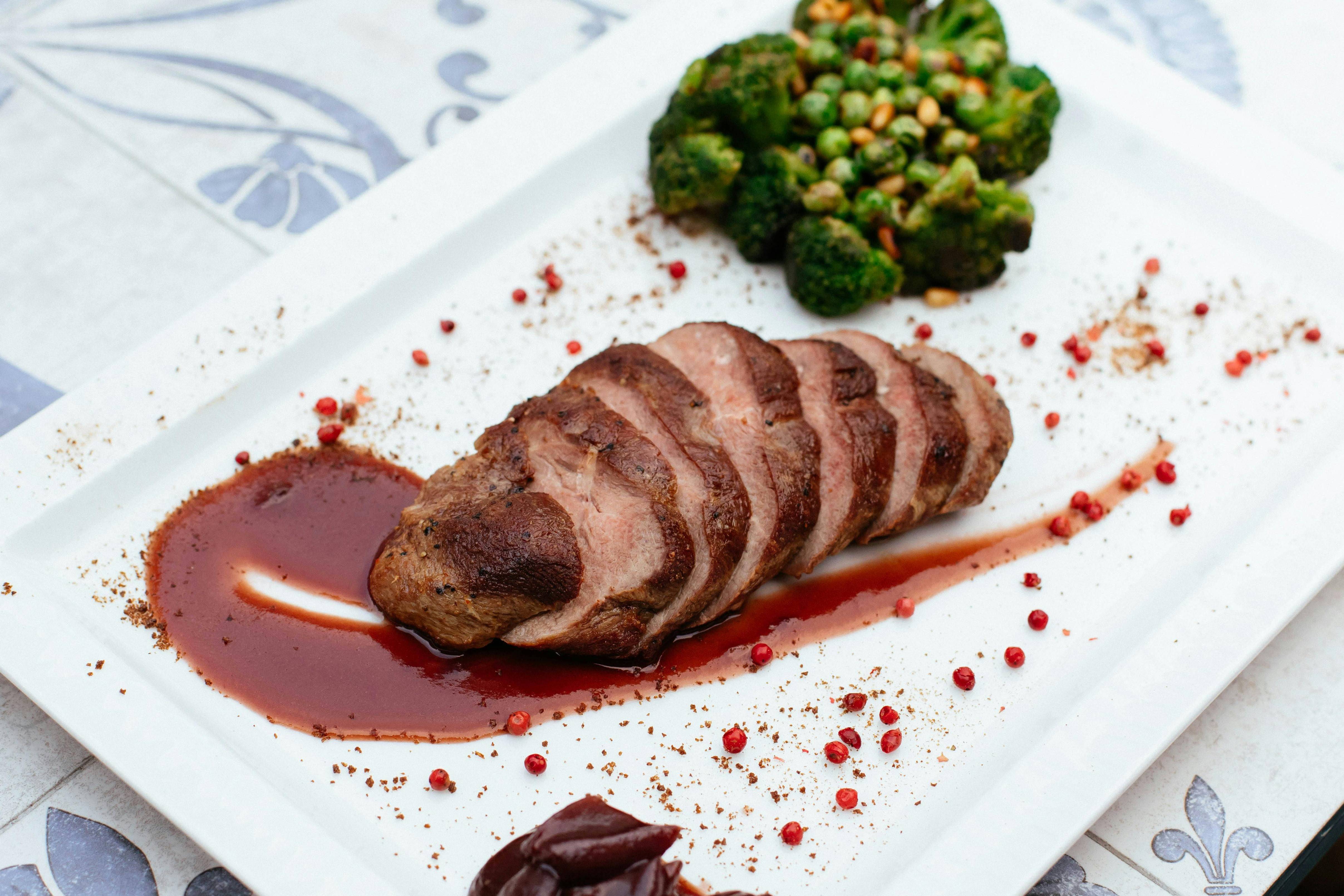
The Top 7 High-Protein Meats
Now that we've explored the importance of protein and its various types, let's dive into the most beneficial high-protein meats you could consider incorporating into your diet.
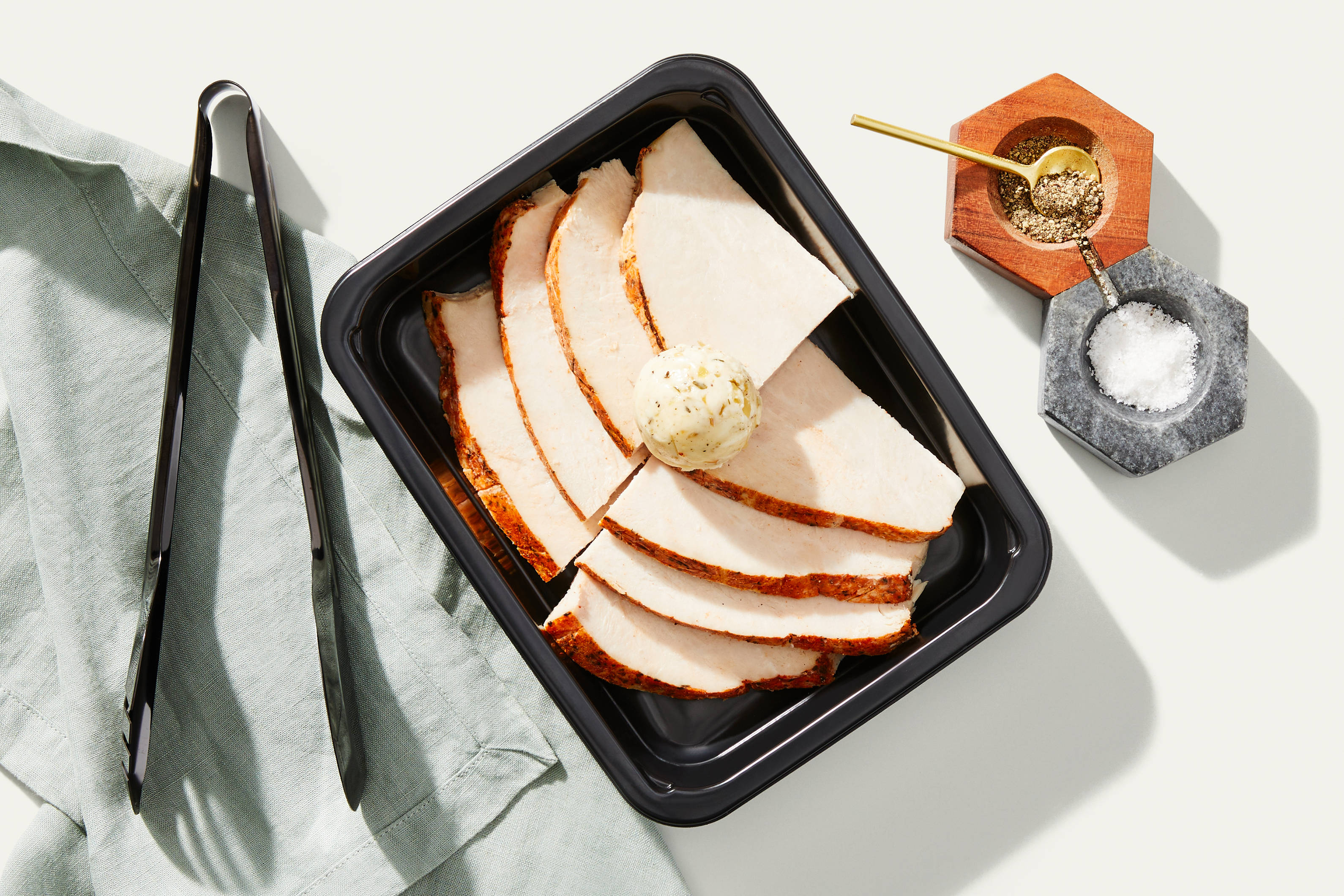
How Do I Maximize My Protein Intake?
When it comes to incorporating high-protein meats into your diet, it's all about balance, variety, and smart choices. Here are some practical tips to help you make the most of your protein while keeping a balanced diet:
Mix it up with plant-based options: While meats are excellent protein sources, don't overlook plant-based proteins like lentils, chickpeas, and black beans. These offer protein and bring fibre and other nutrients to your plate.
Factor in variety with Factor: At Factor, we understand the importance of variety. Our Canadian menu includes protein-forward meals designed for convenient lunches and dinners, with rotating options that make it easier to build a balanced routine without extra prep.
Keep an eye on portion sizes: It's easy to overeat protein, especially when it comes to delicious meats. Be mindful of portion sizes to maintain a balanced diet. A good rule of thumb is to have a portion of protein about the size of your palm.
Meal prep made easy for busy lifestyles: If you’re balancing work, training, commuting, or family schedules, a Canadian meal delivery service like Factor can make protein-forward eating easier.We offer protein-rich meals that are chef-prepared and ready to eat, perfect for busy individuals who value health and convenience—without the hassle.
Balance your plate: Remember, a healthy diet isn't just about protein. Include vegetables, whole grains, and healthy fats to ensure a balanced intake of all necessary nutrients. A colourful plate is often a healthy plate.
Smart snacking: Choose high-protein snacks like Greek yogurt, cottage cheese, or a handful of nuts. These snacks can keep you full and prevent overeating during meals.
Hydrate adequately: Protein needs water for metabolism. Make sure you’re drinking enough water throughout the day to aid in the digestion and utilisation of protein.
Consult with a professional: If you're not sure about your protein needs, especially if you have specific health or fitness goals, consulting with a dietitian can help. They can provide tailored advice based on your individual needs.
Cooking methods matter: How you cook your protein can change its nutritional value. Grilling, baking, or steaming are healthier options than frying (yes, even air frying). Experiment with herbs and spices for flavour without adding excess calories.
Listen to your body: Everyone's protein needs are different. Pay attention to how your body responds to different types and amounts of protein, and adjust your diet.
By following these tips and incorporating a variety of protein sources into your diet, you can ensure a balanced and nutritious eating plan that supports your overall health and fitness goals.

Up to $90 Off + Free Shipping *
Up to $90 Off + Free Shipping *