
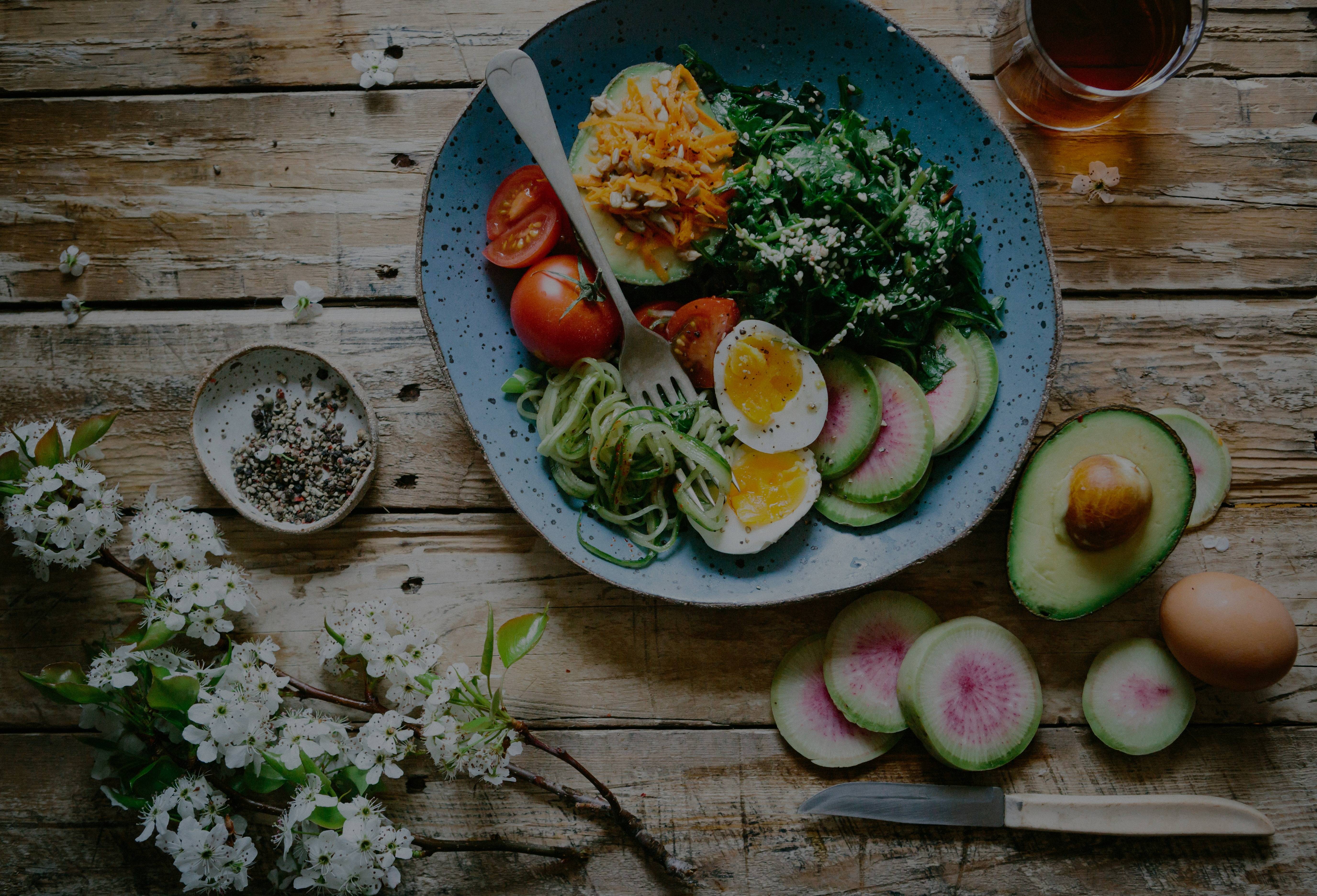
Anti-Inflammatory Eating: Foods, Meal Ideas, and Easy Swaps
Disclaimer: Nutrition recommendations for medical conditions or specialized diets are highly individualized. A Registered Dietitian or healthcare provider can help determine an approach that is appropriate for your specific needs.
The Science of Anti-Inflammatory Eating
Inflammation is your body's built-in defense mechanism, but it's designed to be temporary. Acute inflammation shows up when you sprain an ankle or catch a cold: your immune system responds to protect the area, you might feel temporary swelling or a fever, and once the threat clears, the response resolves. Chronic inflammation works differently. It is a low-grade, sustained immune response that can persist over time and may be influenced by many factors, including health conditions, lifestyle and overall dietary patterns that regularly include high amounts of refined sugars, trans fats, and ultra-processed ingredients.
Everyday dietary choices can play a supportive role in overall health. An anti-inflammatory eating pattern focuses on consistently choosing ingredients that can help support a balanced immune response, without needing to eliminate entire food groups or follow overly rigid rules. The rest of this guide breaks down foods to include more often, options to enjoy less frequently, and how to build balanced meals without overhauling your kitchen.
Key Foods — What to Include More Often
Four categories of food offer valuable nutrients that can support an anti-inflammatory eating pattern. Each works through different nutrition mechanisms, and combining them throughout the week helps create a varied, balanced approach.
1) Omega-3 Fatty Acids: Fatty fish like salmon and trout, along with walnuts, chia seeds and flaxseeds, provide omega-3 fats. Including a variety of foods that provide unsaturated fats, like omega 3 fatty acids, can be part of a balanced eating pattern. Instead of restricting fats, an anti-inflammatory plan emphasizes swapping some saturated fats for these omega-3 sources. Including two to three servings of fatty fish per week, alongside options like a handful of walnuts or a tablespoon of ground flaxseed, can be a practical, realistic habit for many people.
2) Polyphenols and Antioxidants: Fruits and vegetables like berries and dark leafy greens, along with green tea, cocoa, and many other plant foods provide polyphenols and other plant compounds. Choosing a variety of colourful fruits and vegetables is a practical way to include a diverse range of nutrients and antioxidants. A daily serving of berries or a cup of green tea are simple, repeatable habits that can build over time.
3) Spices and Herbs: Turmeric and ginger are versatile spices that can add flavour, variety and naturally occurring plant compounds to meals. Turmeric's active compound, curcumin, is poorly absorbed on its own; pairing turmeric with black pepper may enhance curcumin absorption1, and is easy to add fresh to stir-fries, teas, or marinades.
4) Gut-Supportive Fibre: Fibre-rich foods such as oats, legumes like lentils and beans, fruits, vegetables and whole grains support digestive health and the gut microbiome. Including a variety of fibre-rich foods can help support overall digestive health.
Foods to Enjoy Less Often
Eating patterns that regularly include higher amounts of added sugars, foods high in saturated or trans fats, and alcohol may be associated with less favourable health outcomes, while diets rich in vegetables, fruit, whole grains, legumes, nuts, seeds and sources of unsaturated fats can support overall health.
In practice, this means treating the following options as foods to enjoy less often or in moderation, rather than as daily staples:
1) Refined sugars: Often found in sweetened beverages and packaged desserts; choosing water, tea, or lower-sugar alternatives can help reduce added sugar intake.
2) Trans and saturated fats: Commonly found in deep-fried foods and commercial baked goods; replacing these with oils higher in unsaturated fats like extra virgin olive oil supports a more balanced dietary fat intake.
3) Ultra-processed snacks and excessive alcohol: Can crowd out fibre and nutrient-dense choices without providing lasting fullness.
This framework can easily adapt into a full week or multi-week pattern by rotating proteins and produce: swap salmon for trout or sardines, rotate leafy greens with roasted root vegetables, and vary spice blends between turmeric-ginger and garlic-herb combinations. A plant-forward or vegetarian variation follows the same principles by emphasizing walnuts, chia, and flaxseed, while leaning on lentils, tofu, and tempeh alongside abundant produce and spices.
Prep Tip: Spending time on the weekend pre-chopping colorful, antioxidant-rich vegetables and storing them in glass containers makes weeknight cooking much faster. Having peppers, broccoli, and dark greens ready to cook can transform a quick stir-fry or grain bowl into a 15-minute task.
Sourcing and Convenience Options
Sourcing fresh seafood, seasonal produce, and varied spices every night can be challenging to maintain alongside a busy schedule. On busier days when meal prep feels like a hurdle, turning to fresh, fully prepared options like Factor Canada’s low-calorie meals makes it easy to stay on track with clean, nutrient-dense eating without having to step near a stove.
Frequently Asked Questions
Do you need to cut out gluten or dairy completely?
No. An anti-inflammatory eating pattern does not necessarily require removing gluten and dairy products. If you notice persistent digestive discomfort or other symptoms after consuming gluten or dairy, it is best to discuss this with a physician or Registered Dietitian to evaluate potential individual sensitivities, rather than unnecessarily restricting food groups.
Can coffee or alcohol fit into a balanced plan?
Coffee can fit into a balanced eating pattern. For adults, Health Canada recommends a maximum of 400 mg of caffeine per day2. With regards to alcohol, intake should be kept moderate. Alcohol, on the other hand, is best consumed in moderation or kept low, as higher or more frequent alcohol intake is associated with elevated markers of systemic inflammation.
Is a turmeric supplement better than using turmeric in food?
Turmeric used in cooking and concentrated curcumin supplements are not equivalent. Supplements provide much higher doses and may not be appropriate for everyone, so it is best to speak with a healthcare provider before using them for a specific health concern. Using turmeric in cooking can simply be used as one of many herbs and spices that add flavour and variety to meals.
References

Up to $90 Off + Free Shipping *
Up to $90 Off + Free Shipping *