
The Best Gut Health Foods to Add to Your Diet
The old saying "you are what you eat" is evolving. Modern science suggests a more accurate version might be "you are what you feed." Your digestive system is home to trillions of bacteria, collectively known as the gut microbiome. When this ecosystem is balanced, it supports everything from immune function to mental clarity; when it’s off, it can lead to bloating, fatigue, and systemic inflammation.
Research published in Cell1 indicated that consuming fermented foods increases gut microbiome diversity and significantly decreases markers of inflammation throughout the body.. To achieve this, you need a combination of three specific food categories: Probiotics, Prebiotics, and Fermented Foods.
1) Probiotics: The Live Helpers
Probiotics are live beneficial bacteria that, when consumed in adequate amounts, provide health benefits to the host. Think of them as the reinforcements you send in to support your native gut ecosystem.
Best Sources: High-quality Greek yogurt, Kefir (a fermented milk drink popular in Canadian dairy aisles), and unpasteurized refrigerated sauerkraut.
Why it matters: Probiotics help crowd out bad bacteria and can improve the integrity of the intestinal lining.
The Prep: Add a half-cup of Kefir to your morning smoothie or a spoonful of yogurt to your meal prep overnight oats.
2) Prebiotics: The Fuel Source
If probiotics are the soldiers, prebiotics are the rations. These are non-digestible fibres that pass through your upper digestive tract and ferment in the lower gut, providing food specifically for your beneficial bacteria.
Best Sources: Garlic, onions, leeks, asparagus, slightly under-ripe bananas, and Jerusalem artichoke.
Why it matters: Without prebiotics, your beneficial bacteria can’t thrive. A study in The British Journal of Nutrition2 highlights that prebiotic fibres significantly increase the population of Bifidobacteria, which are crucial for metabolic health.
The Prep: Sauté garlic and onions as the base for almost every savoury meal. It’s the easiest way to ensure a daily dose of gut fuel.
3) Fermented Foods: The Natural Process
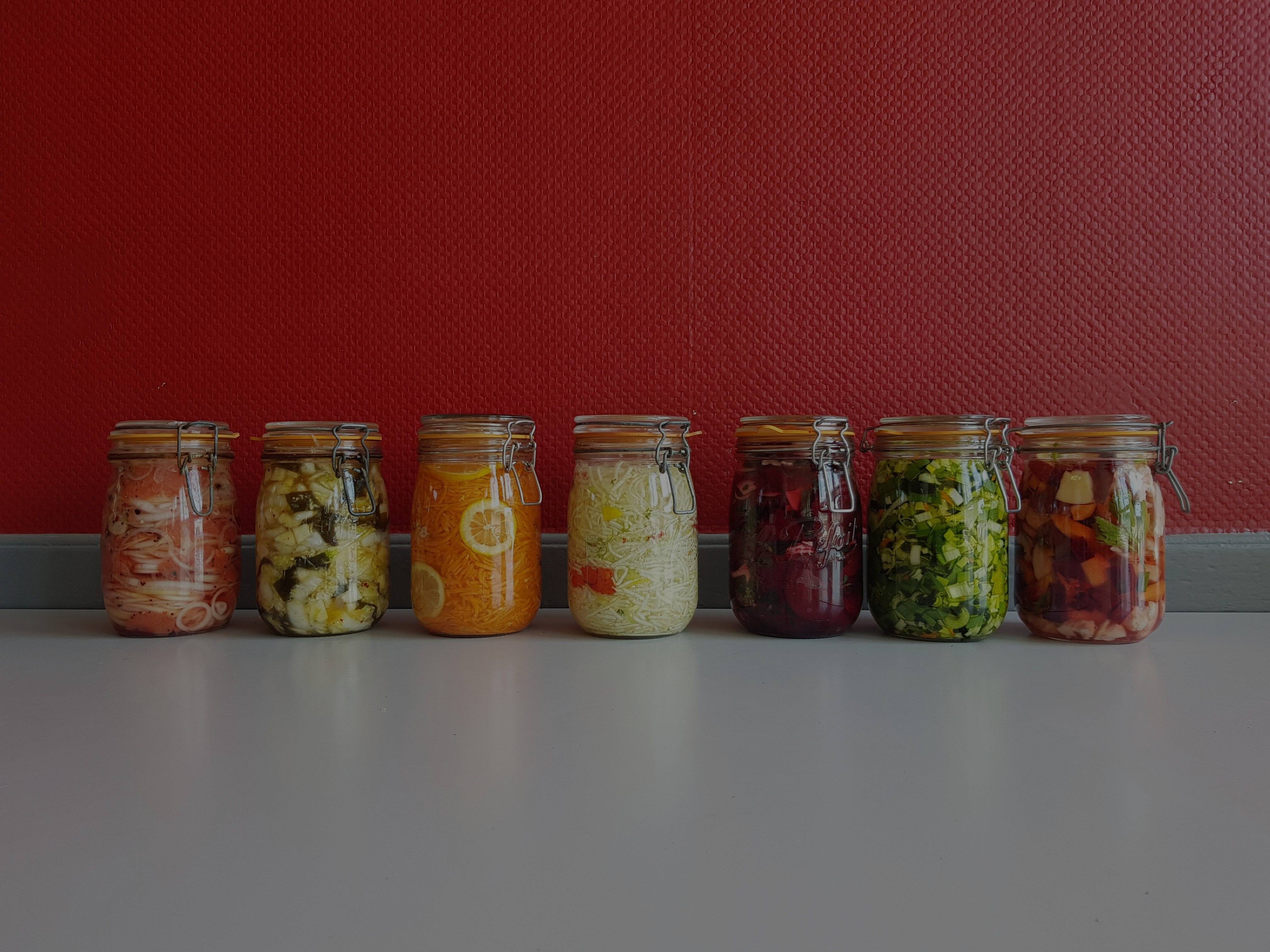
Fermentation is an ancient preservation method that naturally creates probiotics. In Canada, we are seeing a massive resurgence in fermented products as more people prioritize digestive wellness.
Best Sources:
Kimchi: A spicy Korean staple made from fermented cabbage and radish.
Miso: A fermented soybean paste that adds deep umami to soups and dressings.
Kombucha: A fermented tea that is a great low-sugar alternative to soda.
Tempeh: A fermented soy product that serves as a high-protein meat substitute.
The Prep: Use miso paste in your salad dressings or top your avocado toast with a generous portion of kimchi.
Common Pitfalls to Avoid
The Sugar Trap: Many gut-healthy yogurts and kombuchas are loaded with added sugars. High sugar intake can actually feed the harmful bacteria you’re trying to manage. Always look for unsweetened or ‘no sugar added’ labels.
The Heat Issue: Probiotics are delicate. If you boil your miso soup or cook your sauerkraut at high heat, you kill the live cultures. Add fermented foods at the end of the cooking process to keep the bacteria alive.
Too Much, Too Fast: If your diet has been low in fibre, introducing a lot of prebiotics suddenly can cause temporary gas and bloating. Start slow and stay hydrated.
Pro-Tip: Diversity is king. Instead of eating the same salad every day, try to hit 30 different plant-based foods per week. This includes spices, seeds, nuts, and different varieties of greens. This variety ensures you are feeding different strains of bacteria.
Simplifying Your Digestive Health
Maintaining a gut-friendly diet requires consistent effort and varied ingredients, which can make meal prep feel like a full-time job. Factor Canada simplifies this by offering chef-prepared meals that prioritize whole-food ingredients and diverse vegetable profiles. By including a few Factor meals in your weekly rotation, you can ensure your microbiome is getting the high-quality nutrients it needs to thrive without the stress of constant kitchen time.
Gut Health TL;DR
| Food Category | Function | Common Canadian Staples |
|---|---|---|
| Probiotics | Adds live beneficial bacteria | Yogurt, Kefir, Skyr |
| Prebiotics | Feeds existing bacteria | Oats, Garlic, Legumes |
| Fermented Foods | Naturally cultured living food | Kimchi, Tempeh, Kombucha |
Answering More Questions on Gut Health Improvement:
Is a probiotic the same as a digestive enzyme?
No. Probiotics are live bacteria that balance your gut over time, while enzymes are proteins that help break down food during a specific meal. Think of probiotics as the environment and enzymes as the tools.
Is kombucha really better than regular tea?
Kombucha contains organic acids and live microbes created during fermentation that regular tea lacks. Just check the label for added sugars, which can counteract the gut benefits.
How can I tell if my gut health is getting better?
Signs include less bloating, more regular bathroom habits, and steadier energy levels. Because much of your immune system lives in your gut, you might also notice fewer minor illnesses.
Can I just take a probiotic pill instead?
Supplements can help, but they lack the variety found in food. Fermented foods like kefir or kimchi offer a complex mix of nutrients and diverse bacterial strains that a single pill can't replicate.
Should I eat fermented foods while on antibiotics?
Yes. Antibiotics can clear out both 'good' and 'bad' bacteria. Eating fermented foods helps replenish your gut’s beneficial population and may reduce the digestive upset often caused by the medication.
References
[1] https://www.cell.com/cell/fulltext/S0092-8674(21)00754-6

Up to $90 Off + Free Shipping *
Up to $90 Off + Free Shipping *