
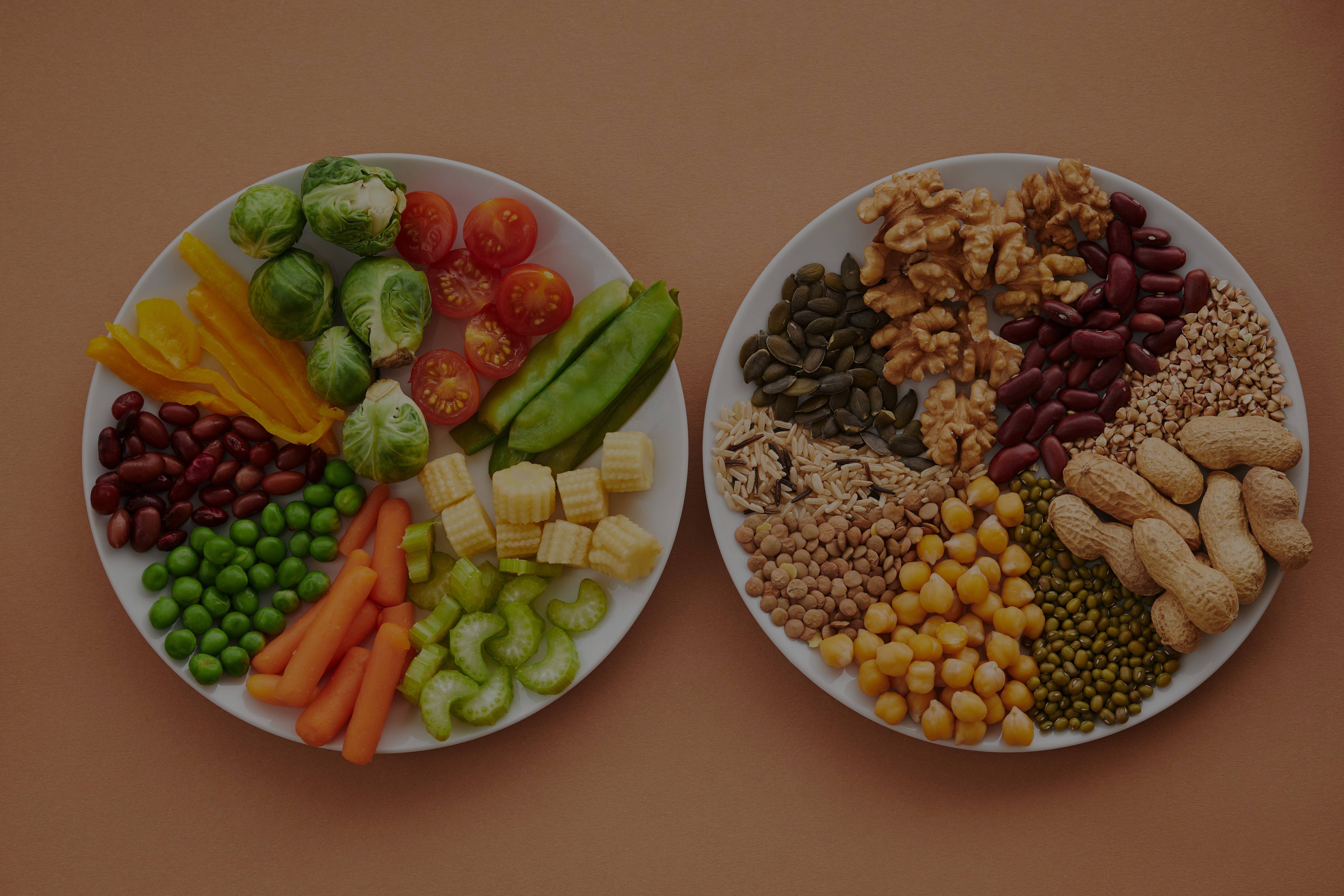
Plant-Based Diet for Beginners: A Practical Guide to Going Green
Whether you’re motivated by environmental concerns, health goals, or just a curiosity about those meatless burgers everyone is talking about, shifting toward a plant-based diet is one of the most impactful changes you can make. But let’s be clear: plant-based doesn't have to mean lettuce only and it certainly doesn't have to happen overnight.
In Canada, the Canada Food Guide1 shifted significantly a few years ago to emphasize plant-based proteins like beans, lentils, and tofu. This wasn't just a trend, but a response to mounting evidence that plant-heavy diets can lower the risk of heart disease and type 2 diabetes.2
If you’re feeling overwhelmed by the terminology, here is a grounded, fluff-free guide to getting started.
Understanding the Spectrum
The term "plant-based" is an umbrella. You don’t need to be a strict vegan to reap the benefits. Many Canadians find success as Flexitarians, which means focusing primarily on plants but occasionally including high-quality animal proteins. The goal isn't perfection; it's a shift in the proportion of your plate.
1) Master the Easy Swaps
The biggest mistake beginners make is trying to learn entirely new recipes from day one. Instead, take the meals you already love and swap the protein source.
Taco Tuesday: Swap ground beef for protein-rich lentils or crumbled firm tofu seasoned with cumin and chili powder.
Pasta Night: Use a chickpea-based pasta or add a can of white kidney beans to your marinara sauce.
Morning Coffee: Try unsweetened soy milk - it’s one of the few plant milks with a protein profile comparable to dairy.
2) Prioritize Complete Proteins
A common myth is that plants lack the complete amino acid profiles found in meat. While some plants are incomplete on their own, your body is incredibly efficient at combining them throughout the day.
The Power Duo: Combining grains (like rice) with legumes (like beans) creates a complete protein.
The Standalones: Quinoa, buckwheat, and soy (tofu/tempeh) are rare plants that contain all nine essential amino acids on their own.
3) Don't Overlook the "B" Word: B12
If you are moving toward a strictly vegan diet, science is very clear on one thing: you need to monitor your Vitamin B12. According to research published in The Medical Journal of Australia, B12 is primarily found in animal products, and a deficiency can lead to fatigue and neurological issues.3
The Fix: Look for fortified nutritional yeast (which has a great cheesy flavour) or speak to a professional about a simple B12 supplement.
4) Smart Meal Prep for Plant-based Lifestyle
Plant-based eating requires a little more assembly than a steak-and-potatoes diet.
The Sunday Soak: If you're using dry beans, soak them over the weekend. If you're busy, canned beans are a perfectly healthy alternative—just rinse them to reduce the sodium content by up to 40% Next, make sure your proteins are easily accessible.
Prep Your Veggies: Chop your peppers, broccoli, and carrots as soon as you get home from the grocery store. You’re 80% more likely to cook a stir-fry if the chopping is already done.
Common Beginner Pitfalls While Opting Plant-Based
The Junk Food Trap: Just because a cookie is vegan doesn't mean it's healthy. Highly processed plant-based meats can be loaded with sodium. Focus on whole foods as much as possible and avoid overly processed alternatives.
Ignoring Fibre: A plant-based diet is naturally high in fibre. If you go from 0 to 100 on day one, your digestive system might protest. Increase your water intake as you increase your beans and greens.
Pro-Tip: Don't view meat as something you are quitting. View plants as something you are adding. Start with Meatless Mondays and gradually expand. This mental shift makes the transition feel like a choice rather than a restriction.
Making it Sustainable
Transitioning to a new way of eating takes mental energy. For the days when you don't have the bandwidth for meal prep or grocery shopping, Factor Canada offers a variety of plant-based, chef-prepared meals. It’s an easy way to ensure you’re getting the right balance of macronutrients without having to decode a single ingredient label. By integrating these prepared options, you can maintain your plant-based goals even during your most hectic weeks.
Solving the Common Hurdles to Plant-Based Diet Adoption:
Do I have to eat beans and rice in the same meal for protein?
No. Your body stores a pool of amino acids and combines them throughout the day. As long as you eat a variety of plant foods over 24 hours, you’ll get the complete protein you need.
Is a plant-based diet more expensive?
Actually, staples like dried lentils, beans, and tofu are often much cheaper than meat. While fake meats can be pricey, sticking to the whole foods found in the Canada Food Guide is usually budget-friendly.
Why do I feel bloated or gassy after eating beans?
Your find your gut is likely adjusting to the extra fiber. To help, rinse canned beans thoroughly and increase your water intake. Gradually adding beans to your diet over a few weeks allows your digestion to catch up.
Can I get enough calcium without dairy?
Yes. Most plant milks are fortified with calcium to match dairy. You can also find it in dark leafy greens, tofu, and seeds like chia or tahini.
Will I lose energy if I stop eating meat?
Not if you eat enough. Plant foods are less calorie-dense, so ensure you’re eating enough volume and including iron-rich foods like pumpkin seeds or lentils paired with a squeeze of citrus.
How do I use nutritional yeast?
It has a savory, 'cheesy' flavor. Shake it onto popcorn, pasta, or roasted veggies. It’s a simple way to add B-vitamins and a salty kick without using actual cheese.
References
[1] https://www.canada.ca/en/health-canada/services/food-guide.html
[2] https://www.heartandstroke.ca/articles/what-is-a-plant-based-diet
[3] https://www.mja.com.au/journal/2013/199/4/vitamin-b12-and-vegetarian-diets

Up to $90 Off + Free Shipping *
Up to $90 Off + Free Shipping *